The AI Regulation Debate in the US Is Heating Up
Here’s the deal: the AI regulation fight in the United States is entering a new round. Two US House lawmakers from different parties have released a draft bill that could limit how individual states regulate the development of AI models.
The bill is not targeting every single use of AI. The main focus is on rules that directly govern how AI models are built, tested, and released. So the real question is bigger than tech itself: who gets to set the rules, the federal government or each state?
What the Draft Bill Actually Says
The draft was released by Democrat Lori Trahan and Republican Jay Obernolte. Its core idea is that states should not create rules that specifically target the development of AI models.
If this draft becomes law, states could lose the ability to require certain safety tests before an AI model is released to the public. For AI companies, that could make the release process more consistent across the country.
States Could Still Regulate AI Use
One important point: the draft does not completely remove state power over AI. According to the proposal, states would still be able to regulate how AI technology is used.
That means rules around AI in public services, jobs, consumer protection, education, and other sectors could still exist at the state level. The part being limited is regulation that directly controls AI model development itself.
Why People Are Split on This
The tech industry likes the idea of a national standard because companies would not have to deal with a different rulebook in every state. For large AI firms, fragmented regulation can create extra compliance costs and slow down product launches.
But consumer advocacy groups are not fully convinced. Public Citizen criticized the draft because it could leave too much responsibility in the hands of the federal government, while Congress has struggled for years to pass broad AI legislation.
The Risks People Are Worried About
This debate is not just about paperwork. Some groups argue that AI still brings serious risks that need strong oversight.
- Algorithmic bias - AI systems can make unfair decisions if the data or training process is flawed.
- Discrimination - Risk can appear in sensitive areas like hiring, housing, finance, and public services.
- Fraud and deepfakes - AI can be used to impersonate people, spread scams, or generate manipulated content.
- AI companions - AI products that build emotional interaction with users may create new risks, especially for young people.
What This Means for the AI Industry
If the bill passes, big AI companies could get a clearer national regulatory path. They would not need to adjust their model-development process to dozens of different state-level laws.
The trade-off is that public protection would depend heavily on how quickly and how strongly the federal government creates AI rules. If federal standards move slowly, the regulatory gap could become a real concern.
The Bigger Context
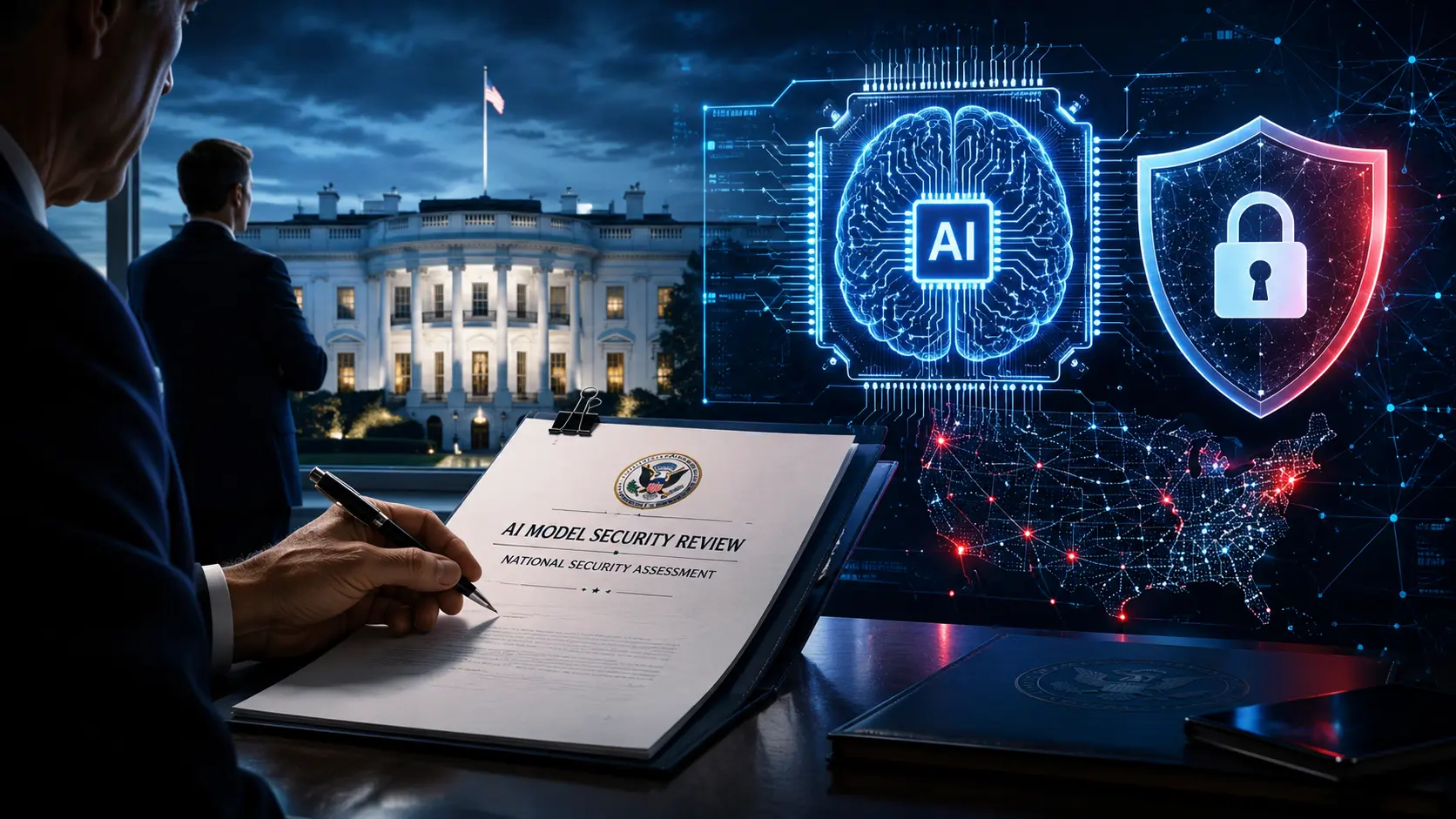
This draft comes at a time when the US government is also pushing more cybersecurity-related testing for powerful AI models before wider release. Washington wants to protect national security without slowing down America’s position in the global AI race.
So the issue is not simply whether AI should be regulated. The sharper question is this: should states move fast with their own AI rules, or should the US build one national standard first so the industry does not become fragmented?
Facts and Image Sources
Fact source: Reuters, article titled "US House lawmakers release draft bill to prohibit state AI rules", published June 4, 2026.
Image source: Reuters/Dado Ruvic/Illustration, "Artificial Intelligence words" image from the same Reuters article.