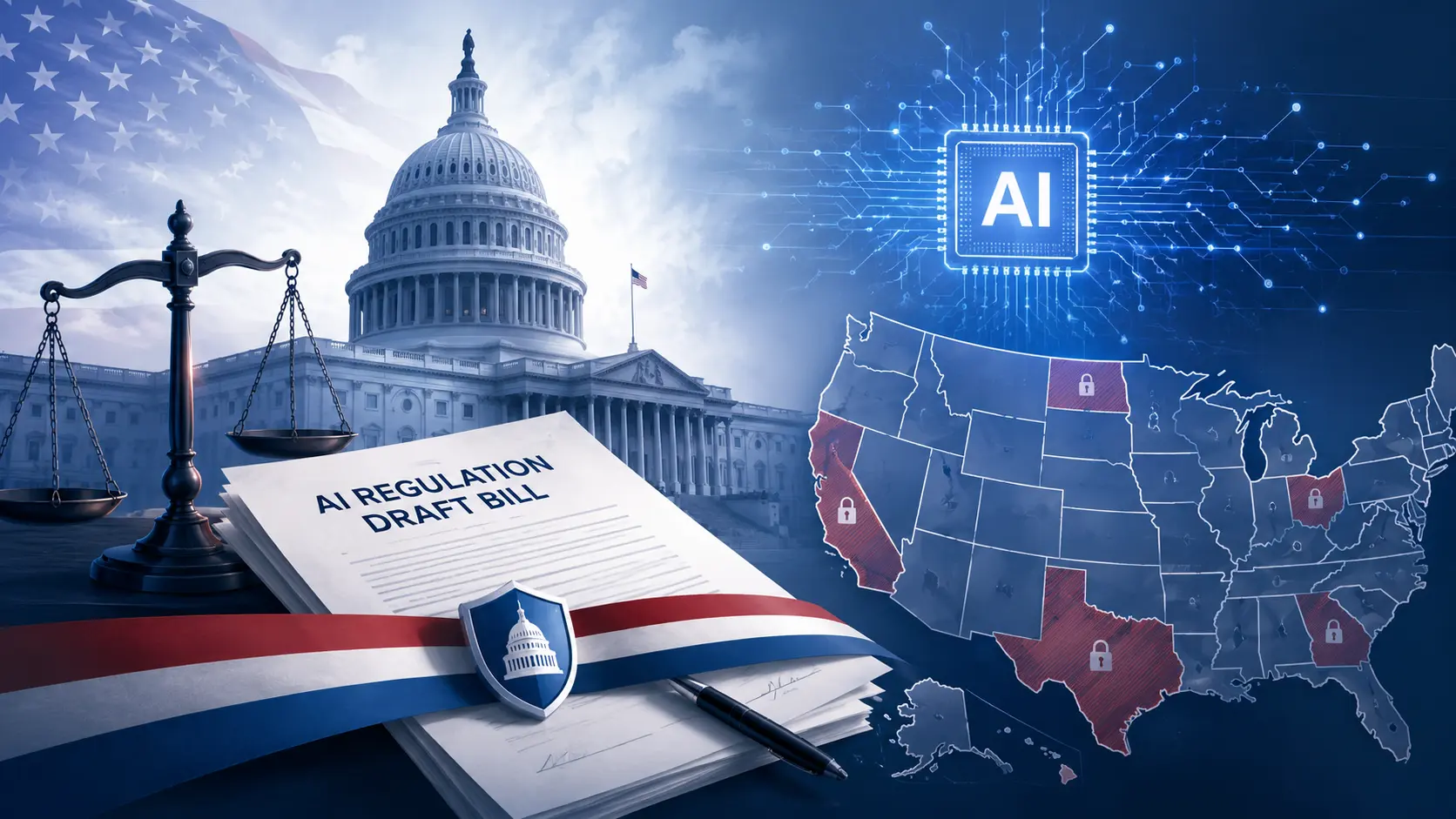
Advanced AI Models Are Now a National Security Issue
US President Donald Trump has signed a new executive order related to AI oversight. The order creates a voluntary framework that lets the federal government review national security risks from the most advanced AI systems before they are released publicly.
This matters because new-generation AI models do not only write text or generate images. Frontier models can help with coding, analyze security flaws, and perform complex tasks that may affect critical infrastructure.
The Review Is Voluntary, Not for Every AI Model
According to AP News, participation from AI developers is voluntary. The government would have up to one month to review AI systems considered among the most advanced.
The White House also emphasized that this process is not meant to monitor every new AI model. The focus is on cutting-edge cyber models from frontier labs that may help secure critical infrastructure and strengthen government cybersecurity.
Why Trump Paused Before Signing
The order came less than two weeks after Trump postponed a signing ceremony for a similar policy. At the time, the concern was that AI rules should not weaken America’s technology advantage.
That is why the final version uses a relatively short review window of up to 30 days. In the fast-moving AI industry, a review process that takes too long could be seen as a barrier to competition.
Who Is Part of the Discussion?
Companies such as Anthropic, OpenAI, and Google were mentioned as examples of frontier labs because they build some of the most advanced AI systems. These are the kinds of companies likely to be relevant to this voluntary cooperation.
Early reactions from major AI companies were generally positive. Anthropic, OpenAI, and Google described the policy as an important step toward developing AI safely without shutting down innovation.
Criticism and Open Questions
Even though the process is voluntary, criticism still exists. Juan Londoño from the Cato Institute said the policy has a positive direction but still leaves questions about which models will be reviewed and who gets early access as trusted partners.
- Government discretion - Broad authority for security officials could raise concerns about possible misuse.
- Review boundaries - It is still not fully clear which models will be considered risky enough for review.
- Industry speed - AI companies move fast, so the review process must avoid becoming an excessive bottleneck.
The Anthropic and Frontier Model Context
AP’s report also connects the policy to concerns around Anthropic’s Claude Mythos model. The model reportedly drew attention because of its capabilities related to finding software security vulnerabilities.
Anthropic limited Mythos access to a group of trusted partners before expanding access to more organizations. This context shows why governments are starting to view AI not only as a tech product, but also as a national security factor.
What This Means for the AI World
The first impact is that major AI companies may feel more pressure to build formal safety and cybersecurity testing before releasing their most powerful models.
The second impact is that the US government will likely become more closely connected with frontier AI companies. That could speed up cybersecurity collaboration, but it may also create debates around transparency, innovation freedom, and political pressure on tech companies.
Facts and Image Sources
Fact source: AP News, article titled "Trump signs an executive order that invites vetting of top AI models for national security risks", written by Matt O'Brien.
Image source: AP Photo/Alex Brandon, image of President Donald Trump at the White House from the same AP article.